
Career Options After BSc Microbiology Beyond Laboratory Jobs in 2026
Graduates in microbiology can work in the fields of medicine, research, writing, the environment, and business.A Bachelor of Science in Microbiology is a science degree that focuses on the study of microorganisms such as bacteria, viruses, and fungi. While many students believe that microbiology careers are limited to laboratory work, in 2026 and beyond, graduates have diverse career options across healthcare, industry, technology, and public services—especially in India.
This article highlights career paths for microbiology graduates beyond traditional lab roles.
1. Quality Control & Quality Assurance
Microbiology plays a vital role in industries such as food, pharmaceuticals, cosmetics, and beverages. Quality Control (QC) and Quality Assurance (QA) professionals ensure that products are safe, compliant, and meet regulatory standards.
These roles focus more on process checks, documentation, audits, and compliance, rather than routine lab experiments.
Example roles:
- QC Analyst
- QA Officer
- Regulatory Affairs Associate
2. Clinical Research & Healthcare Project Support
Microbiology graduates can work as Clinical Research Associates (CRAs), trial coordinators, or data managers. These professionals manage clinical trials, track patient data, and ensure research protocols are followed.
These roles involve working with doctors, research teams, and healthcare organisations, with limited laboratory testing.
3. Science & Technical Writing
If you enjoy writing, you can become a science writer or technical content creator. You may write:
- Research articles
- Training manuals
- Educational content
- Pharma and biotech documentation
Employers include research journals, pharma companies, healthcare websites, biotech firms, and science magazines.
4. Environmental & Public Health Careers
Microbiology is essential for protecting the environment and public health. Career options include:
- Environmental microbiologist
- Wastewater treatment specialist
- Public health officer
These professionals monitor water quality, control pollution, and support government health programmes.
5. Sales, Marketing & Technical Support (Biotech/Pharma)
Biotech and pharmaceutical companies hire science graduates for:
- Medical sales
- Product application support
- Scientific marketing
These roles involve explaining products to doctors, hospitals, and industrial clients, and focus more on communication and business than lab work.
6. Education & Training
With qualifications such as NET or SLET, microbiology graduates can teach in colleges and universities. Others can work as:
- Corporate trainers
- Academic tutors
- Online course instructors
You can also conduct workshops or start online microbiology courses.
7. Entrepreneurship & Consultancy
Microbiology graduates can start their own ventures such as:
- Food safety testing services
- Quality compliance consultancies
- Training and certification institutes
The Indian government also supports science entrepreneurs through schemes like Startup India and biotech incubation programmes.
Career Growth & Higher Education Paths
To enhance career prospects, you can pursue:
- M.Sc. in Microbiology or Biotechnology
- Specialisations in Bioinformatics, Environmental Science, or Public Health
- Professional courses in Regulatory Affairs, Clinical Research, or Biostatistics
These qualifications can lead to leadership, management, research, and policy roles.
Government & Private Sector Opportunities
Microbiology graduates can work with government bodies such as:
- Indian Council of Medical Research (ICMR)
- Food Safety and Standards Authority of India (FSSAI)
They are also hired by major companies like Cipla, Biocon, Serum Institute of India, Nestlé, and Amul.
In 2026, a B.Sc. in Microbiology offers careers far beyond laboratory roles. From quality control and research support to science writing, environmental health, and biotech business, graduates have wide-ranging opportunities. Strong communication and professional skills can help you succeed in these growing fields.
Latest Articles
Undergraduate Courses at Lucknow University in 2026: A Complete Guide
UniList Desk
Feb 01 2026
B.Ed vs Master’s Degree: Which One Should You Choose After Graduation in 2026?
UniList Desk
Feb 01 2026
How to Become a News Reporter Without Studying Mass Communication in 2026
UniList Desk
Feb 01 2026
Copywriting Careers in India: Courses, Skills & Salary
UniList Desk
Feb 01 2026
B.A in Political Science (Hons.): Course, Eligibility, Fees and Career Scope
UniList Desk
Jan 31 2026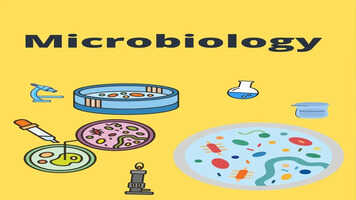
Career Options After BSc Microbiology Beyond Laboratory Jobs in 2026
UniList Desk
Jan 31 2026
Film Studies vs Mass Communication: Ultimate Guide for 2026 Students
UniList Desk
Jan 31 2026
Career Options for Hindi Graduates Across Content, Culture & Technology
UniList Desk
Jan 31 2026
Graphic Design vs Product Design: Career Paths Explained
UniList Desk
Jan 31 2026
B.Sc in Environmental Science: Eligibility, Fees, Syllabus & Career Scope
UniList Desk
Jan 30 2026
Learn More, Grow Faster
Get Updates Straight to Your Inbox!