
How to Become a Lecturer After Graduation: A Complete Guide
Obtain experience, finish your master's degree, pass the UGC NET, and apply for lecturing positions.Becoming a lecturer is a respected and rewarding career. The journey requires dedication, subject knowledge, and a strong interest in teaching. If you enjoy your subject and want to guide students, a career in higher education can be very fulfilling.
Below is the correct and up-to-date pathway to becoming a lecturer in India after completing graduation.
Step-by-Step Guide to Become a Lecturer
1. Complete Your Postgraduate Degree
After finishing your bachelor’s degree such as BA, BSc, BCom or BTech, the first step is to complete a master’s degree in the subject you wish to teach.
Examples include:
- MA in English, History, Sociology or Political Science
- MSc in Physics, Chemistry, Mathematics or Biology
- MCom in Accounting, Finance or Business Studies
- A master’s degree usually takes two years.
To be eligible for teaching and NET:
- General category: minimum 55 percent marks
- Reserved category: minimum 50 percent marks
Many well-known universities in India offer strong postgraduate programmes, including:
- University of Delhi
- Banaras Hindu University
- University of Calcutta
- Panjab University
2. Clear the UGC NET Examination
To become a lecturer (Assistant Professor) in India, you must qualify the UGC NET examination, which is conducted by the National Testing Agency (NTA).
The exam is held twice every year and consists of two papers:
- Paper I: Teaching and research aptitude
- Paper II: Subject-specific knowledge
Qualifying UGC NET makes you eligible to apply for Assistant Professor posts in government colleges and universities across India.
3. Gain Teaching or Research Experience
After clearing NET, many candidates begin their careers as:
- Guest lecturers
- Teaching assistants
- Research assistants
This practical experience helps you understand classroom teaching and academic responsibilities.
Some students also choose to pursue a PhD after their master’s degree. A PhD is not mandatory for entry-level lecturer posts, but it improves career prospects, promotion chances, and opportunities at reputed universities.
4. Apply for Lecturer Positions
Once you qualify NET and gain some experience, you can apply for lecturer or Assistant Professor vacancies through:
- Official university websites
- UGC and AICTE job portals
- Employment portals such as Naukri and LinkedIn
Government degree colleges also recruit lecturers through state public service commissions, such as UPPSC Lecturer Recruitment. Eligibility usually includes a master’s degree and NET. Some states may also require B.Ed for specific posts.
5. Essential Skills for a Lecturer
To succeed as a lecturer, you should develop the following skills:
- Clear communication
- Strong subject knowledge
- Patience and empathy
- Ability to guide students academically and professionally
These qualities help you connect with students and deliver effective teaching.
Becoming a lecturer after graduation is a meaningful career path. By completing a master’s degree, qualifying UGC NET, gaining teaching experience, and applying for suitable posts, you can build a successful future in higher education. With commitment and hard work, you can make a lasting impact on students’ lives.
Latest Articles
8 Private Universities with the Best Placement Packages in Delhi NCR 2026
Kirti Chauhan
May 15 2026
Artificial Intelligence vs Data Science: Which Course Should You Choose in 2026?
Kirti Chauhan
May 14 2026
Best Colleges for Master’s in Economics in India 2026
Kirti Chauhan
May 14 2026
MCA vs M.Tech in AI: Which Postgraduate Course Has Better Scope in 2026?
Kirti Chauhan
May 13 2026
Top Medical Colleges in India Accepting NEET 2026 Scores: Admission, Eligibility, Fees and Seats
Kirti Chauhan
May 13 2026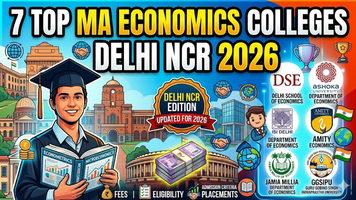
7 Top Colleges for Master’s in Economics in Delhi NCR 2026: Fees, Eligibility, Admission Criteria, Placements
Kirti Chauhan
May 13 2026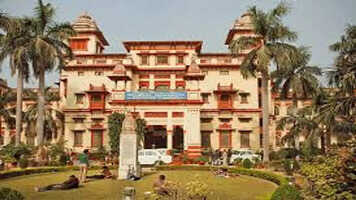
B.Sc Agriculture at BHU: Course, Eligibility, Fees & Career Scope
UniList Desk
Apr 28 2026
Fashion Design vs Liberal Arts: Which Course Has More Career Opportunities in 2026?
Kirti Chauhan
Apr 30 2026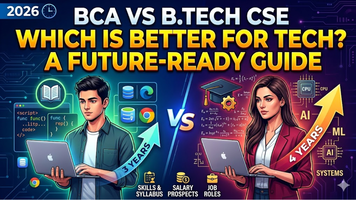
BCA vs B.Tech CSE: Which Course is Better for a Career in Tech in 2026?
Kirti Chauhan
Apr 29 2026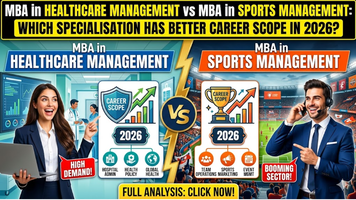
MBA in Healthcare Management vs MBA in Sports Management: Which Specialisation Has Better Career Scope in 2026?
Kirti Chauhan
Apr 28 2026
Learn More, Grow Faster
Get Updates Straight to Your Inbox!