
How to Become a Research Scientist After BSc or MSc: A Complete Guide
Finish degrees, develop research abilities, pass tests, and work toward a PhD.If you love science and want to explore new ideas, becoming a research scientist can be a great career choice. Research scientists study problems, conduct experiments, analyse data, and develop solutions that help society, industry, and technology grow.
What Is a Research Scientist?
A research scientist carries out studies to discover new information or solve complex problems in fields such as biology, chemistry, physics, data science, environmental science, and medicine. They work in laboratories, research institutions, universities, and industrial research centres.
Steps to Become a Research Scientist
1. Complete Your BSc and MSc
You should begin by completing a Bachelor of Science (BSc) in subjects like Physics, Chemistry, Biology, Mathematics, Biotechnology, or Biochemistry after Class 12.
Many students then pursue a Master of Science (MSc) in their chosen specialisation to gain deeper knowledge. You can obtain these degrees from reputed institutions such as the University of Delhi, Jawaharlal Nehru University, Banaras Hindu University, and the Indian Institute of Science Education and Research (IISERs). These institutions offer strong science departments and research exposure.
2. Build Key Skills
Research scientists need both technical and soft skills, including:
- Critical thinking and analytical skills
- Knowledge of laboratory and research methods
- Data collection and interpretation skills
- Scientific writing and communication
Familiarity with research tools and software such as Python, R, SPSS, and MATLAB
3. Gain Research Experience
Hands-on experience is essential. You can gain this by participating in internships or research projects during your degree, applying for summer research programs, or working as a research assistant.
You can explore opportunities at government research organisations such as the Indian Council of Medical Research (ICMR), the Council of Scientific and Industrial Research (CSIR), and the Defence Research and Development Organisation (DRDO). Many universities also offer research fellowships and assistantships.
4. Prepare for Competitive Exams
Some research positions and PhD admissions require clearing national-level exams such as CSIR-UGC NET, GATE, and JEST. Performing well in these exams can help you secure scholarships, fellowships, and research positions.
5. Pursue a PhD
After completing an MSc, many aspiring research scientists pursue a PhD. A doctoral degree provides specialised expertise and allows you to lead independent research projects.
During a PhD, you will conduct original research, publish research papers, and present findings at conferences. A PhD significantly improves career prospects in academia, industry, and government research labs.
Where Can You Work as a Research Scientist?
Research scientists can work in government research institutes, university research centres, healthcare and pharmaceutical laboratories, energy and environmental research organisations, industrial R&D departments, and space or agricultural research institutions.
Career Growth and Salary
- Entry-level roles may include positions such as Junior Research Fellow (JRF) or Research Associate, where you assist senior researchers.
- With experience and a PhD, you can progress to roles such as Senior Research Scientist, Team Lead, or Principal Investigator.
Salaries in India vary depending on the sector, qualification, and expertise. Government research labs follow fixed pay scales, while private research and industry roles may offer higher packages based on experience and specialisation.
Stay curious and keep reading scientific journals. Join science clubs and research forums. Connect with mentors and professors who can guide your academic journey.
Becoming a research scientist requires dedication and patience, but it can be highly rewarding for those who enjoy discovery and problem-solving. Start early, build strong foundational skills, and pursue higher studies and research training to build a successful career in science.
Latest Articles
8 Private Universities with the Best Placement Packages in Delhi NCR 2026
Kirti Chauhan
May 15 2026
Artificial Intelligence vs Data Science: Which Course Should You Choose in 2026?
Kirti Chauhan
May 14 2026
Best Colleges for Master’s in Economics in India 2026
Kirti Chauhan
May 14 2026
MCA vs M.Tech in AI: Which Postgraduate Course Has Better Scope in 2026?
Kirti Chauhan
May 13 2026
Top Medical Colleges in India Accepting NEET 2026 Scores: Admission, Eligibility, Fees and Seats
Kirti Chauhan
May 13 2026
7 Top Colleges for Master’s in Economics in Delhi NCR 2026: Fees, Eligibility, Admission Criteria, Placements
Kirti Chauhan
May 13 2026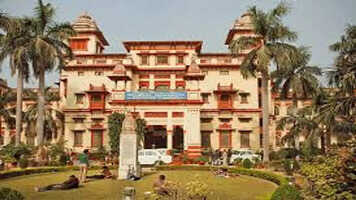
B.Sc Agriculture at BHU: Course, Eligibility, Fees & Career Scope
UniList Desk
Apr 28 2026
Fashion Design vs Liberal Arts: Which Course Has More Career Opportunities in 2026?
Kirti Chauhan
Apr 30 2026
BCA vs B.Tech CSE: Which Course is Better for a Career in Tech in 2026?
Kirti Chauhan
Apr 29 2026
MBA in Healthcare Management vs MBA in Sports Management: Which Specialisation Has Better Career Scope in 2026?
Kirti Chauhan
Apr 28 2026
Learn More, Grow Faster
Get Updates Straight to Your Inbox!