
How to Become a Travel Journalist: A Step-by-Step Guide
Travel journalism is an exciting and dynamic field of writing, storytelling, exploration, and sharing interesting experiences from locations around the world. This is a comprehensive guide on how to become a travel journalist, the skills needed to succeed, the steps to become one, and a few career paths you can take as a travel journalist.Travel journalism blends the joy of discovering new places with the power of storytelling. Whether you dream of writing for magazines, creating online travel blogs, or contributing to travel documentaries, this field allows you to explore the world while building a meaningful career. Travel journalists visit destinations, interview people, capture experiences, and write informative or entertaining content. If you are passionate about travel and have a flair for writing, travel journalism could be the perfect fit for you.
What Does a Travel Journalist Do
Travel journalists produce work about places, cultures and experiences through written articles, blogs, or guidebooks. They may be writing for a magazine, newspaper or website, often related to travel and culture, or for a travel company. The role is to report, inform, inspire or entertain readers and teach them about places or aspects of travel. For example, travel journalist readers might learn more about destinations, local food, cultural events or receive travel tips, planned itineraries.
Travel journalists also research, photograph and sometimes even shoot video. In most cases, research journalists travel on assignment and although there are employees of the organization, many work as freelancers and pitch their work to various editors.
How to Become a Travel Journalist
1. Obtain a Degree
Although not always necessary, a degree in journalism, communications, English or other similar fields can provide a firm foundation. These programs will help develop the writing, reporting, and researching skills essential to your career. Courses in photography, travel writing, or digital media may also help in your development.2. Work on Your Writing
Writing well is the basis of travel journalism. Therefore, you need to practice writing regularly to develop clarity, storytelling, and grammar. Read travel blogs, magazines, and articles concerning travel stories to understand how travel stories organize structure, tone, detail, example, point-of-view, voice, and etc. Consider attending workshops and/or seeking feedback from successful writers to help with your writing style.3. Get Journalism Experience
The first step to getting experience is to write. Start writing for your school's newspaper, be a local magazine contributor, or intern with a journalistic organization. All of these experiences will teach you how a newsroom operates, the deadlines you will be given, and how to setup a portfolio of professional information regarding your work. When you write articles about lifestyle, food, or other community news, it will help get you ready to write content travel.4. Start a Travel Blog or Portfolio
Building a travel blog is a very effective way to show off your writing and your experiences. You can think of it as a digital portfolio, and editors will look to your blog to see samples of your writing. Remember to focus on quality, not quantity. Write about places or a style of travel you already know. Use photos that you do have, and write in a personal and informative style. As you develop your blog, you will be able to generate some audience and will have opportunities come up from that.5. Network with Industry Professionals
Building connections with editors, writers, photographers, and travelers creates opportunities. You can go to travel events, writing conferences, workshops, etc. Connect with people through LinkedIn or follow them on social media. You can always connect with someone for a question, or send your story ideas to an editor. Having a good network makes you aware of things and gives you credibility as a professional in their field.6. Pitch Work to Publications
After you have a couple of quality, well written pieces, now you can start submitting your work. Most magazines, newspapers, travel websites, and blogs all take story submissions. While most publications have guidelines and a non-ferrous process to fo, when you do pitch, know your audience and fit your pitch to their voice, style, and format. You should include a short introductory paragraph about you, a headline, short summary of your story, and two or three pieces of your writing samples. Be patient and persistent. Rejection is part of the process.7. Expand Your Photography and Multimedia Skills
These days, many travel writers incorporate photos and videos in their articles. Having an understanding of basic photography, videography, and editing can enhance your storytelling ability and make your work more appealing to editors and readers. Create engaging content by investing in a decent camera or using a great smartphone. Having knowledge and understanding of light, framing, and editing software goes a long way to tell the story visually, rather than with words.8. Keep Up to Date in the Travel Industry
It is essential to keep your finger on the pulse of what is happening in travel. Travel trends, tourism trends, events, and destination updates are all valuable information to keep track of. Subscribe to your choice of travel magazines, read blogs, and follow tourism boards. The more you know, the more timely and vivid story ideas you can come up with. Your understanding of what is popping or developing in the travel industry goes a long way with editors and readers who will choose to read your writing.Career Options for Travel Journalists
Travel journalists work in a variety of fields - print magazines, newspapers, websites, travel guide businesses, and television. Some travel writers are employed full-time by prominent media organizations. Others freelance and contribute stories to a variety of media platforms. After gaining experience, some travel writers become travel editors, travel bloggers, travel influencers, or authors.Key Skills Required
- Strong writing and communication
Tips to Become a Travel Journalist
1. Read Travel Stories Regularly
Make a point to regularly read travel articles and blogs. This allows you to see how other writers tell their stories, describe a place, and offer information and tips. You may also follow travel journalists on social media or sign up for travel newsletters for inspiration and writing ideas.2. Look for Unique Story IdeasEditors are always after a different story. Aim to think of a few new angles or topics that haven’t been written about overwhelmingly. It could be about a secret spot, a local food story, or a culture that is a bit unique. By thinking outside of the box, you can help your stuff stand out.
3. Develop Good Research Habits
Prior to writing, make sure you’re gathering correct information. Learn how to check facts, find and use credible sites, and plan your trips. Being thorough in the research phase will help you to write correct and trustworthy content.4. Respect Others Wherever You Are
If your travels involve a lot of interacting with people, always be kind and cordial and ask questions (or explore new cultures). This helps people open up to you and, ultimately, better stories.5. Hone Your Editing
Even if you have a later editor on tap, you must understand grammatically how to see incorrect spelling, sentence fluidity, or incorrectly used words, sentence structure, etc. Practice examining your work for correct grammar and spelling, flow because clean writing is always easier to read.6. Take Good Photographs
Photographs can help you bring your story to life. You should expunge any intimidation of photography and learn some very basic skills so you can actually click some good and interesting images while you travel. Sometimes, an obvious image can tell a better story than words.In conclusion, being a travel journalist does take time, energy and consistency. It requires more than just being in beautiful places; it needs a story that means something and relates people in different places together. Possessing the right knowledge and experience, most importantly a passion for finding adventure, you can create a fulfilling career (and way of living) in travel journalism. There are plethora of opportunities out there, whether your thing is National Geographic, or you can see a future with a successful travel blog.
All you need is one story told well!
For more such information, visit unilist.in
Latest Articles
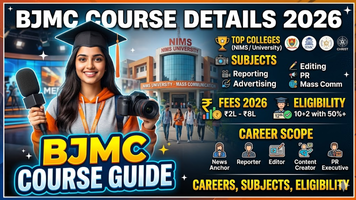
BJMC Course Details: Top Colleges, Subjects, Fees 2026, Eligibility & Career Scope
UniList Desk
May 26 2026
Which MBA Should You Choose: Finance or Entrepreneurship?
Kirti Chauhan
May 26 2026
Top LL.M. Colleges in Delhi NCR 2026
Kirti Chauhan
May 19 2026
8 Top LL.M. Colleges in India 2026
Kirti Chauhan
May 18 2026
8 Private Universities with the Best Placement Packages in Delhi NCR 2026
Kirti Chauhan
May 15 2026
Artificial Intelligence vs Data Science: Which Course Should You Choose in 2026?
Kirti Chauhan
May 14 2026
Best Colleges for Master’s in Economics in India 2026
Kirti Chauhan
May 14 2026
MCA vs M.Tech in AI: Which Postgraduate Course Has Better Scope in 2026?
Kirti Chauhan
May 13 2026
Top Medical Colleges in India Accepting NEET 2026 Scores: Admission, Eligibility, Fees and Seats
Kirti Chauhan
May 13 2026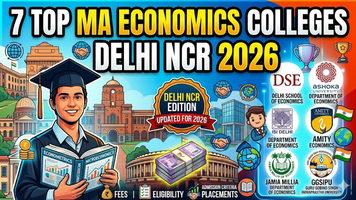
7 Top Colleges for Master’s in Economics in Delhi NCR 2026: Fees, Eligibility, Admission Criteria, Placements
Kirti Chauhan
May 13 2026
Learn More, Grow Faster
Get Updates Straight to Your Inbox!