
Management Consulting Careers for Non-MBA Graduates: A Step-by-Step Guide
Careers in management consulting can be attained without an MBA with the right skills and experience.Many students want to become management consultants. They often believe that they must earn a degree called an MBA to enter this field. This is not entirely true. While an MBA can be helpful, it is not compulsory. Management consulting is still possible without an MBA if students build the right skills, gain relevant experience and follow a clear path.
Management consulting is a professional career that attracts many students. Below is a simple guide for students who want to become management consultants without pursuing an MBA.
1. Understand the Role of a Management Consultant
A consultant is someone who helps individuals or organisations solve problems. They provide advice, analyse situations and support decision-making. A consultant acts like a guide who helps clients find clarity when they are unsure about what to do.
A management consultant specifically helps businesses identify challenges, improve performance and achieve their goals. This role involves problem-solving, creative thinking and strong communication. Management consultants work closely with clients, analyse information and suggest practical solutions to improve business outcomes.
For students without an MBA, it is important to understand that management consulting is mainly about clear thinking, effective communication and structured problem-solving.
2. Develop Key Skills
An MBA teaches management skills, but students without an MBA can also develop the skills needed for consulting through other means. Aspiring consultants should focus on the following areas.
Analytical Thinking:
Consultants analyse large amounts of information to identify problems and find their root causes. Strong analytical skills help consultants interpret data, understand patterns and propose effective solutions.
Communication Skills:
Consultants regularly present findings and recommendations to clients. They must explain complex ideas clearly, concisely and persuasively so that clients understand and trust their advice.
Project Management:
Consultants often work on multiple projects at the same time. Good organisation, time management and planning skills are essential to deliver work efficiently and meet deadlines.
Students can improve these skills through online courses, case study practice and professional certifications. Some government institutions in India, such as NITIE Mumbai and IIM Lucknow, offer short-term programmes in business strategy and project management that can be useful.
3. Choose the Right Undergraduate Degree
A business degree is not mandatory for a career in management consulting. However, having a strong undergraduate degree is important. Subjects such as Economics, Engineering and Commerce provide a solid foundation because they develop logical thinking, problem-solving abilities and basic business knowledge.
Some government institutions offering relevant degrees include:
- University of Delhi (BA Economics, BCom)
- IIT Delhi (BTech in Engineering)
- Banaras Hindu University, BHU (BA Economics)
These degrees help students build transferable skills that are valuable in consulting roles.
4. Gain Practical Experience
Practical experience is essential for entering consulting. Students should look for internships at consulting firms or companies where they can work on real business projects.
If large consulting firms are too competitive initially, students should consider boutique or regional consulting firms. Starting small is perfectly acceptable. Any consulting-related experience helps strengthen a resume and build essential consulting skills.
5. Pursue Short Courses or Certifications
An MBA is not the only way to gain management knowledge. Short courses and professional certifications in project management, business strategy and data analysis can significantly improve employability.
Some reputable government institutions offering such programmes include:
- IIM Lucknow, Executive Education Programmes
- NITIE Mumbai, Management Development Programmes
- University of Mumbai, Certification programmes in business strategy and analysis
These courses help students develop practical knowledge and make them more attractive to consulting firms.
6. Network with Industry Professionals
Networking plays a key role in the consulting profession. Building connections with professionals can lead to internships, job opportunities and mentorship.
Students should attend seminars, conferences, workshops and industry meetups related to business and consulting. Government universities such as the University of Delhi and Jawaharlal Nehru University regularly host events where students can interact with experienced professionals. These interactions can provide valuable insights and guidance.
7. Prepare for Case Interviews
Consulting firms use case interviews to assess candidates. In these interviews, candidates are given a business problem and asked how they would analyse and solve it. The goal is to evaluate structured thinking, problem-solving ability and communication skills.
Case interviews require regular practice. Students can use online case libraries, practise with peers or attend case interview workshops. The more practice a student gets, the more confident they become.
8. Start Applying for Consulting Roles
Once the required skills and experience are in place, students can begin applying for consulting roles. Large firms such as McKinsey, BCG and Deloitte often prefer candidates with MBAs, but many smaller firms are open to hiring non-MBA graduates.
Boutique consulting firms and regional consultancies are often more flexible and willing to hire candidates with strong skills and relevant experience. Students should look for internships, entry-level roles or junior consultant positions to begin their careers.
Management consulting is a competitive but achievable career, even without an MBA. The key is to develop strong analytical, communication and project management skills, gain practical experience and build a professional network.
While an MBA can be helpful, it is not the only path into consulting. With the right preparation, dedication and strategy, students without an MBA can build successful careers in management consulting.
If you enjoy problem-solving, working with businesses and learning continuously, management consulting could be an excellent career choice, even without an MBA.
Latest Articles

Career Options After B.Tech in 2026: A Complete Guide
UniList Desk
Apr 03 2026
Top Architecture Colleges in Pune 2026: Courses, Fees & Career Scope
UniList Desk
Apr 03 2026
Computer Science vs Information Technology: Which One Should You Choose?
UniList Desk
Apr 03 2026
How to Become a Network Engineer in India 2026: Skills, Salary & Scope
UniList Desk
Apr 03 2026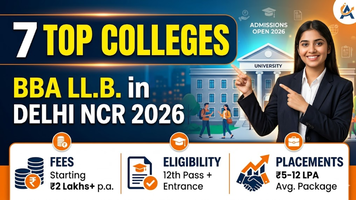
7 Top Colleges for BBA LL.B. in Delhi NCR 2026: Fees, Eligibility & Placements
Kirti Chauhan
Apr 03 2026
10 Top MBA Entrepreneurship Colleges in India 2026: Fees, Eligibility & Placements
Kirti Chauhan
Apr 03 2026
Cybersecurity vs Ethical Hacking in 2026: Salary, Skills & Career Scope
UniList Desk
Apr 02 2026
Top Engineering Courses in Chennai 2026: A Complete Guide
UniList Desk
Apr 02 2026
Web Development vs App Development 2026: Which is Better Career for you?
UniList Desk
Apr 02 2026
8 Top MBA Entrepreneurship Colleges in Delhi NCR 2026
Kirti Chauhan
Apr 02 2026
Learn More, Grow Faster
Get Updates Straight to Your Inbox!