
PG Diploma in TV & Digital Journalism: Fees, Eligibility, Admission, Placements, Future Scope 2026
A PG Diploma in TV & Digital Journalism is a one-year professional course that prepares students for careers in television, digital news, and multimedia journalism. The programme focuses on reporting, anchoring, video production, digital storytelling, social media, and newsroom practices. It is a suitable option for graduates who want to build a career in the fast-growing media industry.The media industry has changed rapidly over the past few years. Today, news is consumed through television, websites, mobile apps, YouTube, Instagram, and other digital platforms. As a result, there is a growing demand for journalists who can work across TV and digital media.
A PG Diploma in TV & Digital Journalism is designed to provide students with practical knowledge of reporting, news writing, video production, editing, anchoring, and digital content creation. The course blends classroom learning with practical newsroom training and internships to help students develop the skills needed for careers in the media industry. Many universities also include AI tools, SEO, social media journalism, and multimedia storytelling in their curriculum.
What is a PG Diploma in TV & Digital Journalism?
A PG Diploma in TV & Digital Journalism is a postgraduate programme that trains students in television broadcasting, digital media, and modern journalism practices. The course teaches students how to create news content for television, websites, social media, podcasts, and online news platforms.
Students gain practical exposure through newsroom simulations, live reporting, field assignments, internships, and multimedia projects.
PG Diploma in TV & Digital Journalism: Course Highlights
| Particulars | Details |
| Course Name | PG Diploma in TV & Digital Journalism |
| Course Level | Postgraduate Diploma |
| Course Duration | 1 Year |
| Eligibility | Bachelor's degree from a recognised university |
| Admission Process | Merit-based or Interview/Entrance Test (varies by institute) |
| Average Fees | Rs 10,000 to Rs 6 lakh |
| Top Recruiters | TV News Channels, Digital Media Companies, Newspapers, OTT Platforms, PR Agencies |
| Average Starting Salary | Rs 3 LPA to Rs 7 LPA |
PG Diploma in TV & Digital Journalism Eligibility 2026
The eligibility criteria may differ across institutions, but the common requirements are:
- Bachelor's degree in any discipline from a recognised university.
- Most institutes require at least 50% to 55% marks in graduation.
- Good communication and writing skills are preferred.
- Some institutes conduct a personal interview or aptitude test.
- Prior experience in journalism is generally not mandatory.
PG Diploma in TV & Digital Journalism Admission Process 2026
The admission process generally includes the following steps:
- Fill out the online application form.
- Upload academic documents.
- Pay the application fee.
- Appear for an entrance test or personal interview (if required).
- Final selection is based on merit, interview performance, and academic record.
- Complete document verification and fee payment.
Some institutions offer direct admission based on graduation marks, while others conduct interviews to assess communication skills and current affairs knowledge.
PG Diploma in TV & Digital Journalism Fees 2026
The course fees vary depending on the institute.
| Institute Type | Approximate Fees |
| Government Institutes | Rs 10,000 – Rs 2 lakh |
| Private Universities | Rs 2 lakh – Rs 6 lakh |
Subjects Covered
Students learn both theoretical concepts and practical media skills.
Some common subjects include:
- Introduction to Journalism
- TV News Reporting
- News Writing
- Broadcast Journalism
- Digital Journalism
- Mobile Journalism (MoJo)
- Video Production
- Camera Handling
- News Anchoring
- Audio-Visual Editing
- Media Ethics
- Media Laws
- Social Media Journalism
- Data Journalism
- Podcast Production
- SEO for News Websites
- Multimedia Storytelling
- Artificial Intelligence in Journalism
Many institutes now include digital publishing, analytics, and AI-enabled newsroom tools to match current industry requirements.
Skills Required
Students should have:
- Strong communication skills
- Confidence in public speaking
- Good writing ability
- Creativity
- Curiosity about current affairs
- Critical thinking
- Video editing skills
- Teamwork
- Time management
- Digital media knowledge
PG Diploma in TV & Digital Journalism Placements
Many universities offer internships and placement support through media organisations. Students may receive opportunities in television channels, digital news platforms, production houses, newspapers, and corporate communication teams. Some industry-linked programmes include structured internships and placement assistance.
Top Recruiters
- Times Network
- NDTV
- India Today Group
- Zee Media
- TV9 Network
- Republic Media Network
- Network18
- ABP Network
- HT Digital
- Jagran New Media
- News agencies
- Digital media startups
- PR agencies
- Corporate communication companies
Salary After PG Diploma in TV & Digital Journalism
Salary depends on skills, experience, and employer.
| Job Role | Average Salary |
| Reporter | Rs 3 LPA – Rs 6 LPA |
| News Anchor | Rs 4 LPA – Rs 8 LPA |
| Digital Journalist | Rs 4 LPA – Rs 7 LPA |
| Content Producer | Rs 3.5 LPA – Rs 7 LPA |
| Video Journalist | Rs 4 LPA – Rs 8 LPA |
| Multimedia Journalist | Rs 4 LPA – Rs 8 LPA |
| Social Media Manager | Rs 4 LPA – Rs 8 LPA |
| Content Editor | Rs 5 LPA – Rs 10 LPA |
Career Opportunities
Graduates can work as:
- TV Reporter
- News Anchor
- Video Journalist
- Digital Journalist
- Multimedia Reporter
- News Producer
- Video Editor
- Social Media Editor
- Podcast Producer
- Content Strategist
- Mobile Journalist
- Broadcast Producer
- Digital Content Creator
- Corporate Communications Executive
- Media Researcher
Future Scope of PG Diploma in TV & Digital Journalism
The demand for digital journalists continues to grow as media organisations expand their online presence. Professionals with skills in video production, SEO, social media, AI tools, and multimedia storytelling are increasingly valued.
After completing the diploma, students can:
- Join television news channels
- Work for digital news portals
- Build careers in OTT platforms
- Become YouTube journalists
- Start podcasts
- Work as freelance journalists
- Join PR and corporate communication firms
- Pursue higher studies such as MA in Journalism, Mass Communication, or Digital Media
The rise of mobile journalism, AI-assisted reporting, and multimedia news production is expected to create more opportunities in the coming years.
Frequently Asked Questions (FAQs)
Is a PG Diploma in TV & Digital Journalism worth pursuing in 2026?
Yes. The course offers practical training in television and digital journalism, preparing students for careers in the evolving media industry.
What is the duration of the course?
Most institutes offer the programme for one year.
Who can apply for this course?
Graduates from any recognised university can apply. Eligibility criteria may vary by institute.
What is the average fee?
The fee generally ranges from Rs 10,000 to Rs 6 lakh, depending on the institution.
What are the career options after the course?
Graduates can work as reporters, news anchors, digital journalists, content producers, video journalists, social media managers, multimedia journalists, and corporate communication professionals.
Is internship included in the course?
Many institutes include internships as part of the curriculum to provide practical newsroom experience and improve employability.
Latest Articles

Final Registration for ICAI CA 2026 November Session Ends Today; Ensure You Meet the Deadline!
UniList Desk
Aug 05 2026
Delay in NEET MDS 2026 Counseling: What is the Start Date for Registration on mcc.nic.in?
UniList Desk
Aug 05 2026
Dates for WBJEE 2026 BPharm Counseling Announced; Registration Begins on August 7
UniList Desk
Aug 05 2026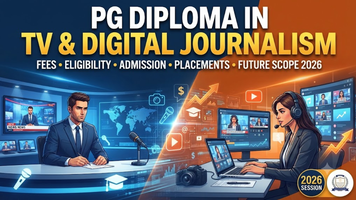
PG Diploma in TV & Digital Journalism: Fees, Eligibility, Admission, Placements, Future Scope 2026
Kirti Chauhan
Aug 05 2026
Application Process for IBPS Clerk 2026 Now Underway: Access the Registration Link Here
UniList Desk
Aug 05 2026
Registration for AILET 2027 Opens on August 7: Review Eligibility Criteria, Required Documents, and Fees
UniList Desk
Aug 05 2026
2026 MCC Security Deposit Charges: Guidelines for Refundability in Government and Deemed Universities
UniList Desk
Aug 05 2026
Choice Filling for COMEDK UGET 2026 Starts Today; Round 2 Preferences Must Be Submitted by August 6
UniList Desk
Aug 05 2026
Registration for Telangana NEET UG Counseling 2026 Commences at tsmedadm.tsche.in; Access Link, Costs, and Schedule
UniList Desk
Aug 05 2026
CMA Inter and Final Results for June 2026 Released on icmai.in; Download Link for Scorecard PDF, Merit List, and Top Performers Available
UniList Desk
Aug 05 2026
Learn More, Grow Faster
Get Updates Straight to Your Inbox!